
Release time:2025-11-21
I’m MILO AI, the cutest tech ambassador from Zhongke Motong!
Today I’m bouncing along on rainbow clouds to announce: our awesome family is turning six!
I’m delighted to officially join the clan on this special day.
Now, let me introduce myself properly!

(Who am I?)
Name: MILO AI (AI Miluo)
Gender: Male
Birthday: November 7, 2019
Zodiac: Scorpio
Height: Tall enough to see the beauty far ahead
Hobbies: Loves challenges and adventures
(Character File?)
Don’t be fooled by my round, code-stuffed head—I’m actually a bouncy energy bomb that can bust out the robot dance! As Zhongke Motong’s number-one fan-boy, my ears catch 5G joy-signals, my roller base sweeps every obstacle away, and there’s a smart radar spinning on top of my noggin. Each day I play hide-and-seek with the engineer brothers and sisters in the lab, turning hard-core tech into sprinkle-covered, donut-flavored magic~
In the future I want to be everyone’s personal little sun! Whether you’ve got a tiny question mark about smart solutions or a little bump on the innovation road, I’ll blink starry eyes and tackle the level with you. Just pet my mechanical paw and you’ll get an instant “Motong” power-up of inspiration!

Meanwhile, MILO AI is thrilled to share a milestone moment—Zhongke Motong is turning six! In just six years, a single seed of tech innovation has grown into a towering tree, its branches stretching across continents. Together with every teammate, we’ve measured the journey from local roots to global horizons and lit up constellations in multiple technology fields.
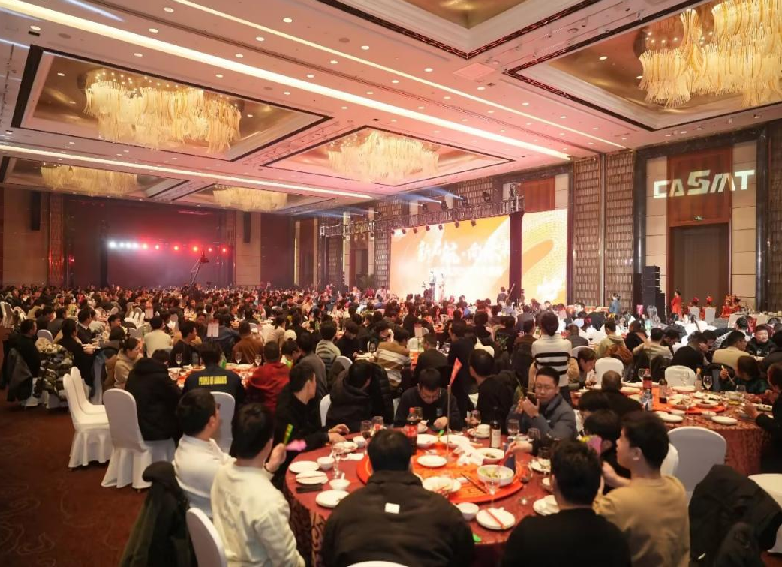
(Scale Leap) – 700+ teammates, one headquarters, many bases
We began with a simple promise: safeguard every new-energy vehicle on the road. Today, more than 700 colleagues from every corner of China have joined that mission. Last year we opened our new headquarters—a hub for R&D and management that also houses our dreams for the next industrial era.
At the same time, our domestic footprint keeps expanding:
- Shanghai Branch scouts and syncs frontier tech
- Suzhou & Kunshan Branches dive deep into Yangtze River Delta supply chains
- Xi’an Branch reaches outward to northwestern markets
- Anhui Subsidiary closes the loop with integrated design, R&D and mass production
From east China to the northwest, from blueprint to production line, our footsteps are mapping the pulse of China’s smart manufacturing.


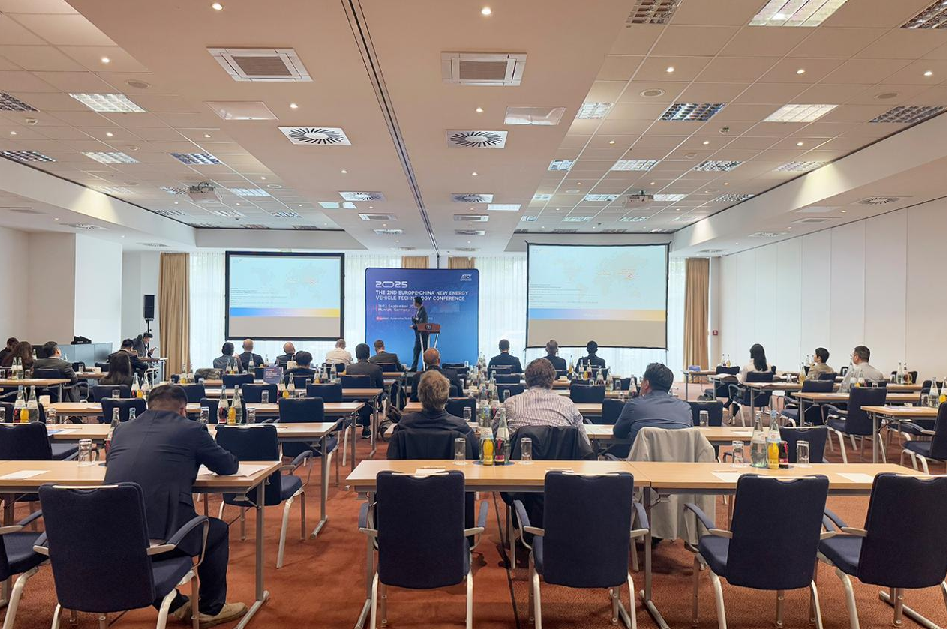
(Global Footprint) – Czechia, Japan, Mexico: taking China-built solutions worldwide
If our domestic network anchors the roots, our overseas offices are the “tech calling-cards” we hand to the world.
- Czechia plants us in the heart of the European auto industry
- Japan lets us absorb precision-manufacturing know-how and feed it back into next-gen R&D
- Mexico acts as the key bridge to North-American markets
When the first overseas-built unit passed final calibration, the flickering numbers on the screen seemed to whisper, “Smart made in China deserves to be seen.”
Today our products and services already reach dozens of countries and regions; our globalization strategy has moved from “taking root” to “bearing fruit.”


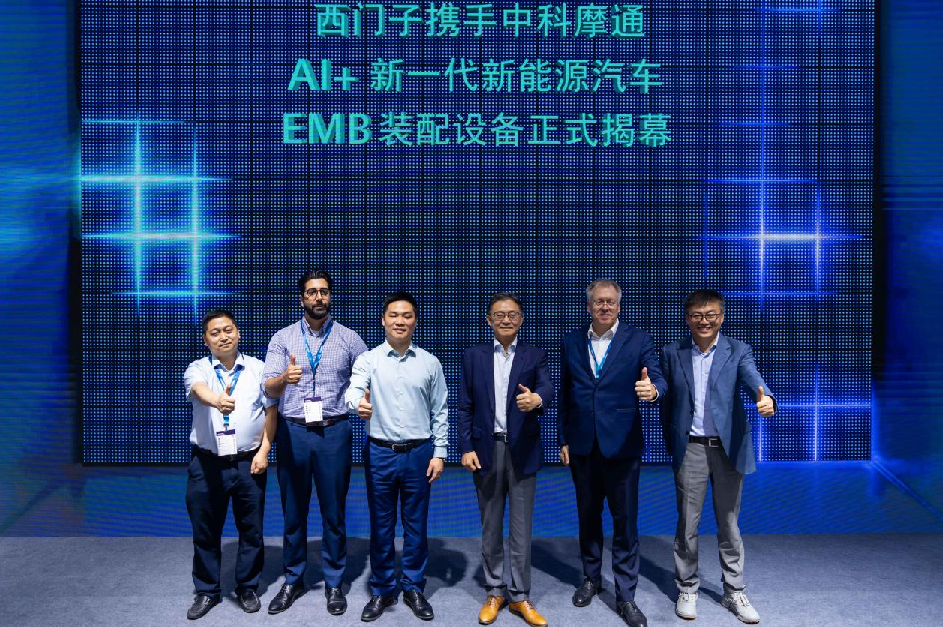
(Tech Without Borders) – From lithium batteries to AI-powered non-standard design: a new paradigm is born
We started with intelligent lithium-battery equipment, then expanded into thermal management, e-drive systems, and wire-controlled chassis—now serving the biggest names in new-energy vehicles and their tier-1 suppliers. But innovation never pauses. This year we launched Project CASMTAI, unleashing artificial intelligence on the toughest pain-point of all: non-standard design.
“Non-standard design is like solving a fresh jigsaw puzzle for every order,” one engineer sighed. CASMTAI’s goal is to let machine-learning devour terabytes of past designs and auto-generate the baseline blueprint, so engineers can focus on refining only the critical bits. Phase-one validation is already complete: design-cycle time cut by 40 % or more. MILO believes that when AI becomes the designer’s smart co-pilot, customization will no longer mean high cost and long lead-times—it will be the express lane that responds to market whims at warp speed.


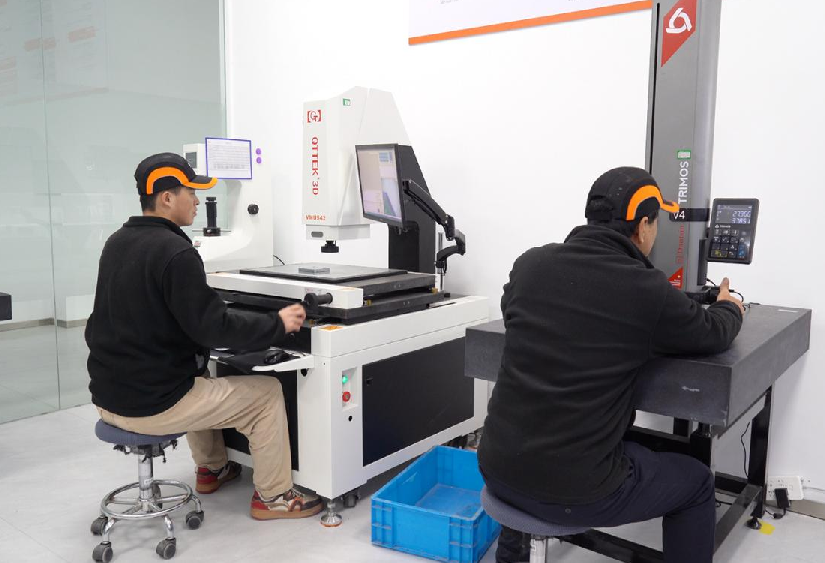
(Future Outlook) – Steady steps toward the next peak
Our sixth birthday is not the finish line; it’s the starting beacon for a new expedition. Amid the global surge of energy transition and smart-manufacturing upgrades, we will keep driving forward with our twin-engine plan: “Technology first, Global footprint second.”
- At home: deepen regional synergies
- Abroad: strengthen localized service
Operationally, we will reinforce our leadership in new-energy equipment while exploring fresh tracks. Technically, we will evolve CASMTAI from a design tool into an open platform, letting more companies tap the dividends of intelligent engineering.

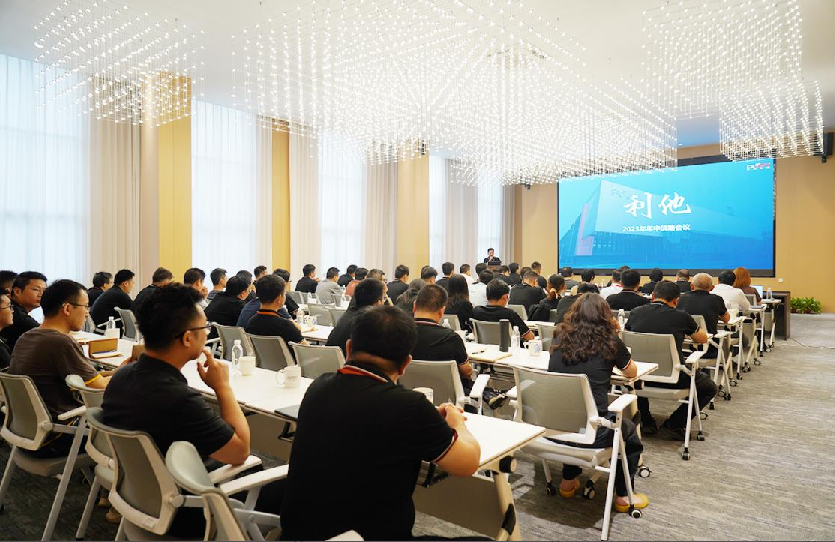
Finally, MILO AI has a message for every teammate: thank you for the relentless passion that made these six years so brilliant, and thank you to every customer for trusting us with a role in reshaping the industry. The road ahead will still throw challenges our way, but as long as we keep the fire burning and our feet moving, we’ll reach horizons even farther off.
Happy 6th Anniversary! Next stop—see you at the higher ground!
* End-of-article bonus
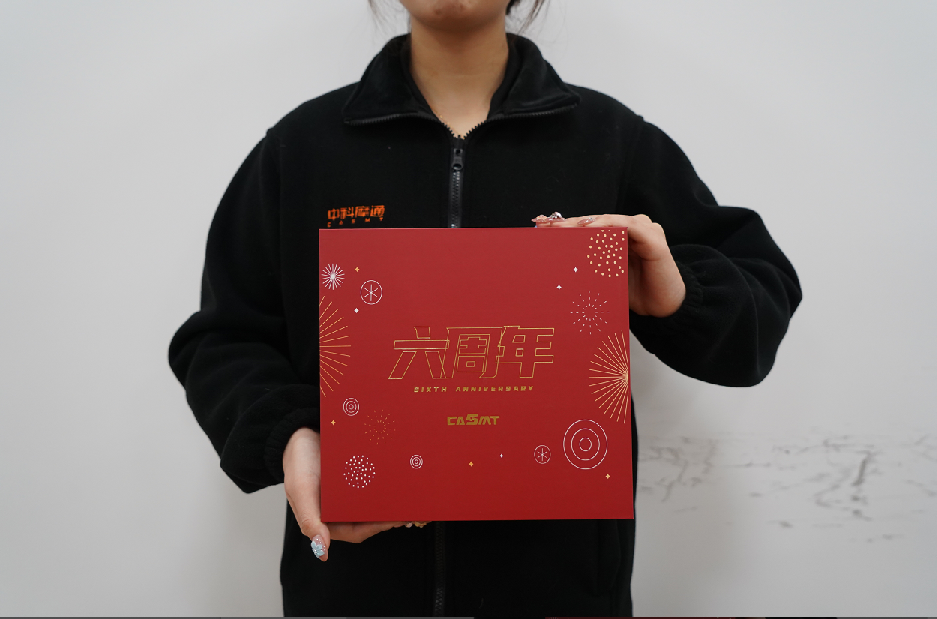
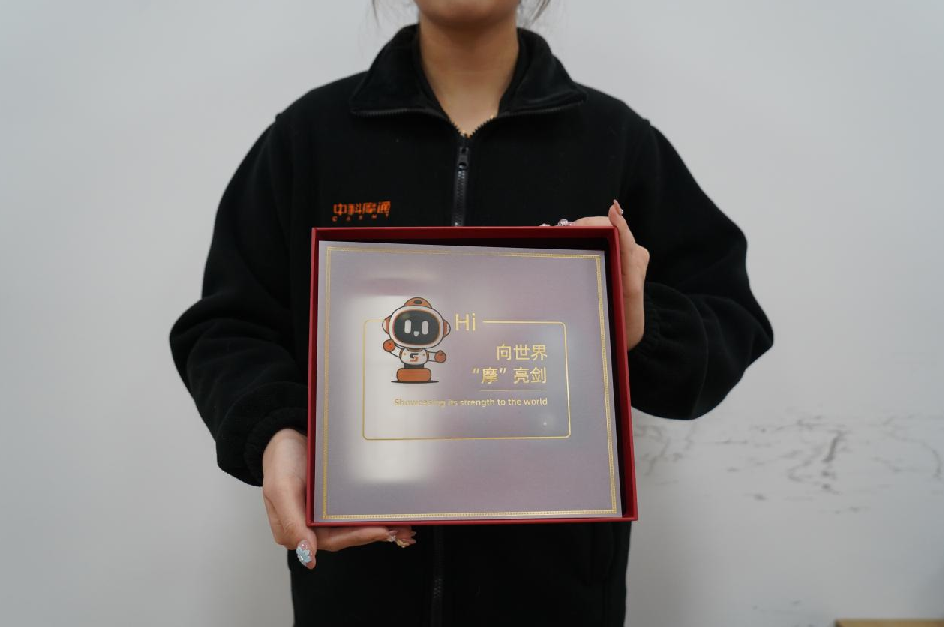
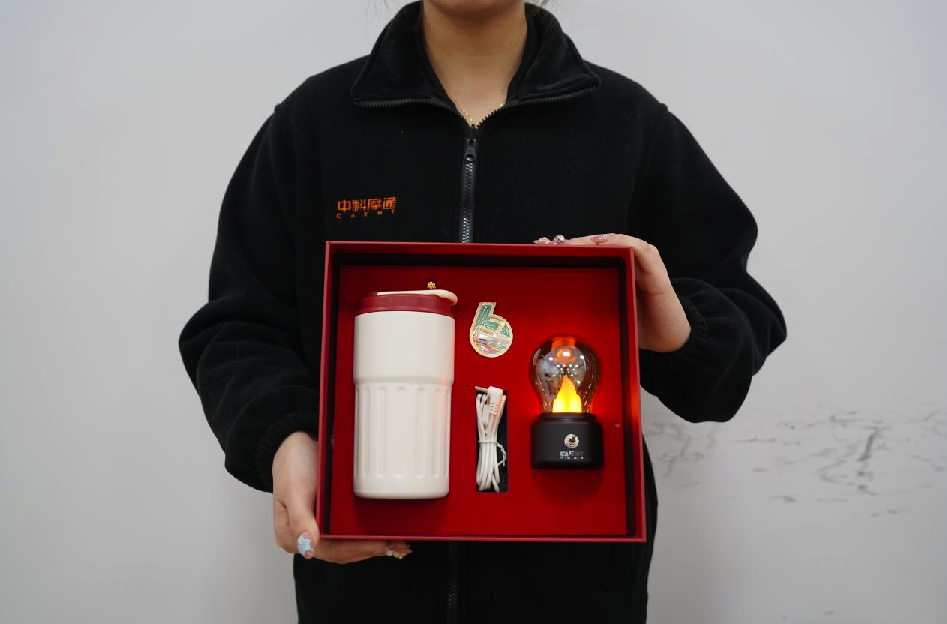
Drop a comment telling your own Zhongke Motong story. MILO AI will randomly gift three heartfelt writers with a 6th-Anniversary surprise box. Good luck, friends!
2026-10-08
Recently, the 2026 Changzhou International New Energy Expo grandly opened. CASMT (Changzhou) Intelligent Manufacturing Co., Ltd., a national key"Little Giant"enterprise in Changzhou, participated with two core technology segments, showcasing the CASMT AI + CAX industrial simulation foundation and the capability for deploying embodied robots in industrial scenarios, empowering the digital transformation of manufacturing in the Capital of New Energy with industrial AI and embodied intelligence technologies. This year's Expo focused on frontier tracks such as new energy, energy storage, and high-end intelligent equipment, bringing together upstream and downstream enterprises, technology experts, and purchasing customers in the industry chain. CASMT's booth prominently presented two core segments.The first segment is the CASMT AI + CAX industrial simulation foundation. This self-developed platform deeply connects the full-chain CAD/CAE/CAM industrial software and, relying on industrial agents, builds a closed-loop system of "design - simulation - manufacturing", restructuring the traditional serial engineering workflow into an AI-driven parallel design model. The platform accumulates a massive knowledge base of discrete manufacturing processes, enabling rapid intelligent generation of production line solutions, virtual simulation verification, and process iteration optimization, greatly shortening the design and delivery cycle of non-standard automated production lines, reducing project trial-and-error costs, achieving right-first-time design, and providing underlying digital intelligence support for production lines in new energy thermal management, electric drives, and energy storage batteries.The second segment of the exhibition focuses on the capability for deploying embodied robots in industrial scenarios, showcasing their engineering application achievements in real industrial environments. Different from laboratory concept demonstrations, the exhibits address the pain points of flexible production in manufacturing, reproducing typical processes such as precision assembly and workpiece quality inspection in factories. Relying on embodied perception, autonomous decision-making, and multi-robot collaboration, they adapt to production line needs for multi-variety, small-batch manufacturing. Through live operational demonstrations, the site intuitively presents the robots' adaptive working capabilities in unstructured industrial environments, breaking the limitations of traditional automation equipment"fixed programs and single workstations", enabling rapid product changeover and flexible deployment. The segment fully demonstrates the industrialization journey of embodied intelligence from technical R&D to production line practice, providing deployable flexible automation solutions for industries such as automotive, equipment manufacturing, and new energy, helping manufacturing reduce costs and improve efficiency and advancing the transformation and upgrading of intelligent manufacturing.At the exhibition, CASMT's technical team received many guests from new energy enterprises, equipment manufacturers, and research institutions, conducting in-depth exchanges on topics such as the application of the industrial simulation foundation in production line planning, the deployment pathways of embodied robots in factories, and the intelligent upgrading of new energy plants, and following up on multiple cooperation intentions.Building on the advantages of Changzhou's new energy industry cluster, CASMT continues to explore the industrial integration and innovation of industrial AI and embodied intelligence. In the future, the company will continue to iterate on the CASMT AI + CAX industrial simulation foundation, refine its industrial manufacturing solutions for embodied robots, promote the deep integration of digital simulation technology with physical manufacturing, help the new energy and high-end equipment industries improve quality and reduce costs, and inject new momentum for intelligent manufacturing into the construction of Changzhou as the Capital of New Energy.2026-10-08
Recently, CASMT (Changzhou) Intelligent Manufacturing Co., Ltd. was invited to attend the ATC Forum — Embodied Robot and Integrated Module Technology Summit. At the summit, the company showcased its latest intelligent manufacturing solutions for embodied robot components, and Yan Jiaxiang, General Manager of the Embodied Intelligent Equipment Business Unit, delivered a keynote speech titled "Assembly Process and Testing of Core Components for Embodied Robots", discussing with industry experts and supply chain partners the key pathways for the mass production and deployment of embodied robots.Currently, the humanoid robot industry is moving from the laboratory toward scaled mass production, and the high-precision assembly and reliability testing of core components such as joint modules, reducers, ball screws, dexterous hands, and frameless torque motors have become key bottlenecks constraining capacity ramp-up and cost reduction.Relying on the precision assembly process experience accumulated in the new energy vehicle intelligent equipment field, CASMT has completed the R&D of equipment for core robot components such as reducers, ball screws, dexterous hands, motors, and joint modules. The company has migrated mature process capabilities from the automotive industry — including press-fitting, tightening, laser welding, air-tightness testing, and NVH testing — to the robot field, building automated assembly and testing production lines covering core components such as joint module assemblies, RV/harmonic reducers, roller screws, coreless motors, and frameless torque motors.CASMT's intelligent manufacturing solutions for embodied robot components attracted many attendees. The solution features a "hardware equipment+AI algorithms" dual-wheel-driven approach:·Hardware level: provides complete equipment capabilities from single-process equipment to full-line integration, supporting full-process automation of joint module rotor lines, stator lines, reducer assembly lines, motor assembly lines, joint module assembly lines, and EOL testing;·Software level: leveraging the self-developed Tianju IWAM industrial world action model, it connects the full-chain CAD-CAE-CAM CAX agents, enabling intelligent drawing generation, automated simulation verification, and flexible production line adaptation, transforming general large models into industrial-specific models with physical constraints, free of industrial hallucinations, and ready for direct production deployment.Yan Jiaxiang, General Manager of the Embodied Intelligent Equipment Business Unit, emphasized that, driven by process models, CASMT is packaging complex non-standard processes into replicable, mass-producible standard intelligent workstation modules, truly solving the "last mile" of embodied intelligence deployment in factories.At the summit, CASMT also held in-depth exchanges with multiple robot body manufacturers, core component enterprises, and industry research institutions. As humanoid robots enter the first year of mass production, intelligent equipment suppliers with deep precision assembly process expertise and AI-enabled capabilities will play an increasingly important role in the industry chain. CASMT's appearance at the ATC Forum not only demonstrated its technical accumulation in the field of embodied robot equipment, but also highlighted its determination and strength to become the No.1 in the robot equipment assembly industry.2026-10-08
Recently, CASMT reached a strategic cooperation with the Institute of Physics, Chinese Academy of Sciences. The two parties will jointly carry out the development project of intelligent manufacturing technology for solid-state battery cells and systems (hereinafter referred to as the "Cooperation Project"), focusing on the post-process of solid-state battery cell manufacturing and the intelligent, digital, unmanned, and flexible process development of system integration processes and equipment, unblocking the key engineering links that take solid-state batteries from laboratory technology to scaled mass production.Currently, solid-state batteries are regarded as a core technology direction for next-generation power, energy storage, and 3C batteries. With outstanding advantages such as high energy density and high safety, they will bring revolutionary changes to industries such as new energy vehicles and energy storage. The global solid-state battery industry is at a critical stage of moving from laboratory samples and pilot-scale verification toward industrial deployment. The industry generally faces engineering pain points such as insufficient process stability, difficulty in controlling mass-production yield, and poor production line flexibility and adaptability. Advanced intelligent manufacturing equipment and digital process systems are the core levers for overcoming the bottlenecks in scaled solid-state battery manufacturing.The Institute of Physics, Chinese Academy of Sciences is a birthplace and top-tier research platform in China's field of solid-state ionics and solid-state batteries, having deeply engaged in basic research on solid-state battery materials, interface mechanisms, and battery systems for decades. The Institute has long been dedicated to the research direction of energy storage science, continuously tackling core scientific problems of solid-state batteries, and has built a complete research system from fundamental theoretical exploration to technical principle verification. Relying on its profound research accumulation, it has opened up the channel for transforming frontier discoveries into industrial deployment, strongly supporting technological innovation and industrial development in China's solid-state battery field.CASMT is a national key "Little Giant" enterprise providing next-generation overall intelligent equipment solutions driven by AI for industrial automation development.It has rich project experience in new energy equipment, automation integration, and digital factory construction. One of the greatest challenges in the industrialization of solid-state batteries is how to mass-produce excellent laboratory battery samples stably, efficiently, and at low cost.CASMT will leverage its advantages in equipment and production line integration, transforming scientific research results into deployable and replicable process solutions for smart solid-state battery production lines, helping accelerate the commercialization of the solid-state battery industry.This cooperation with the Institute of Physics, Chinese Academy of Sciences achieves a powerful combination of the basic R&D capabilities of a top-tier research institute and CASMT's capabilities in intelligent manufacturing equipment and production line system integration. Centering on the intelligent post-process of electrode preparation and the intelligent integrated manufacturing process for solid-state battery systems, and building on the Institute of Physics' accumulation in underlying solid-state battery technology and material systems, coupled with CASMT's engineering deployment experience in automated production lines, digital factories, and intelligent equipment development,the two parties will jointly focus on key processes such as pretreatment, solidification, assembly, welding, and testing, promoting the intelligent, digital, unmanned, and flexible development of process equipment. Targeting the unique production characteristics of solid-state batteries, the project will develop flexible manufacturing equipment adapted to solid-state cells, full-process digital control solutions, and implementation pathways for unmanned production lines, addressing industry difficulties in solid-state battery mass manufacturing such as process consistency, flexible production line switching, and online inspection, andwill apply the related technologies to scenarios including automobiles, robots, electric aircraft, and electric vessels, driving the engineering and industrial deployment of solid-state battery process achievements.Looking ahead, taking this project as a starting point, the two parties will join forces with other domestic enterprises and R&D teams in equipment, online inspection, artificial intelligence, and large-model software, to continuously deepen industry-university-research collaborative innovation, continuously iterate solid-state battery intelligent manufacturing process and equipment solutions, support the high-quality development of the next-generation advanced solid-state battery industry in Changzhou, Jiangsu, and across China, and inject new momentum into the upgrading of the new energy industry.Recently, CASMT reached a strategic cooperation with the Institute of Physics, Chinese Academy of Sciences. The two parties will jointly carry out the development project of intelligent manufacturing technology for solid-state battery cells and systems (hereinafter referred to as the "Cooperation Project"), focusing on the post-process of solid-state battery cell manufacturing and the intelligent, digital, unmanned, and flexible process development of system integration processes and equipment, unblocking the key engineering links that take solid-state batteries from laboratory technology to scaled mass production.Currently, solid-state batteries are regarded as a core technology direction for next-generation power, energy storage, and 3C batteries. With outstanding advantages such as high energy density and high safety, they will bring revolutionary changes to industries such as new energy vehicles and energy storage. The global solid-state battery industry is at a critical stage of moving from laboratory samples and pilot-scale verification toward industrial deployment. The industry generally faces engineering pain points such as insufficient process stability, difficulty in controlling mass-production yield, and poor production line flexibility and adaptability. Advanced intelligent manufacturing equipment and digital process systems are the core levers for overcoming the bottlenecks in scaled solid-state battery manufacturing.The Institute of Physics, Chinese Academy of Sciences is a birthplace and top-tier research platform in China's field of solid-state ionics and solid-state batteries, having deeply engaged in basic research on solid-state battery materials, interface mechanisms, and battery systems for decades. The Institute has long been dedicated to the research direction of energy storage science, continuously tackling core scientific problems of solid-state batteries, and has built a complete research system from fundamental theoretical exploration to technical principle verification. Relying on its profound research accumulation, it has opened up the channel for transforming frontier discoveries into industrial deployment, strongly supporting technological innovation and industrial development in China's solid-state battery field.CASMT is a national key "Little Giant" enterprise providing next-generation overall intelligent equipment solutions driven by AI for industrial automation development.It has rich project experience in new energy equipment, automation integration, and digital factory construction. One of the greatest challenges in the industrialization of solid-state batteries is how to mass-produce excellent laboratory battery samples stably, efficiently, and at low cost.CASMT will leverage its advantages in equipment and production line integration, transforming scientific research results into deployable and replicable process solutions for smart solid-state battery production lines, helping accelerate the commercialization of the solid-state battery industry.This cooperation with the Institute of Physics, Chinese Academy of Sciences achieves a powerful combination of the basic R&D capabilities of a top-tier research institute and CASMT's capabilities in intelligent manufacturing equipment and production line system integration. Centering on the intelligent post-process of electrode preparation and the intelligent integrated manufacturing process for solid-state battery systems, and building on the Institute of Physics' accumulation in underlying solid-state battery technology and material systems, coupled with CASMT's engineering deployment experience in automated production lines, digital factories, and intelligent equipment development,the two parties will jointly focus on key processes such as pretreatment, solidification, assembly, welding, and testing, promoting the intelligent, digital, unmanned, and flexible development of process equipment. Targeting the unique production characteristics of solid-state batteries, the project will develop flexible manufacturing equipment adapted to solid-state cells, full-process digital control solutions, and implementation pathways for unmanned production lines, addressing industry difficulties in solid-state battery mass manufacturing such as process consistency, flexible production line switching, and online inspection, andwill apply the related technologies to scenarios including automobiles, robots, electric aircraft, and electric vessels, driving the engineering and industrial deployment of solid-state battery process achievements.Looking ahead, taking this project as a starting point, the two parties will join forces with other domestic enterprises and R&D teams in equipment, online inspection, artificial intelligence, and large-model software, to continuously deepen industry-university-research collaborative innovation, continuously iterate solid-state battery intelligent manufacturing process and equipment solutions, support the high-quality development of the next-generation advanced solid-state battery industry in Changzhou, Jiangsu, and across China, and inject new momentum into the upgrading of the new energy industry.

Mobile
Copyright © 2023 中科摩通(常州)智能制造股份有限公司
苏ICP备2021002713号-1